The prostate may be a small gland, but it can have a noticeable impact on urinary function, sexual health, sleep, and quality of life. As men age, changes in the prostate become increasingly common. Understanding what the prostate does, which symptoms deserve attention, and what treatment options are available can make it easier to take a proactive approach to men’s health.
One of the most common prostate conditions is Benign Prostatic Hyperplasia (BPH), also known as an enlarged prostate. BPH is not cancer, but it may create urinary symptoms that become increasingly disruptive over time. Fortunately, men today have access to a wide range of treatment options, including medications, urologic procedures, and minimally invasive treatments such as Prostate Artery Embolization (PAE).
What Is the Prostate?
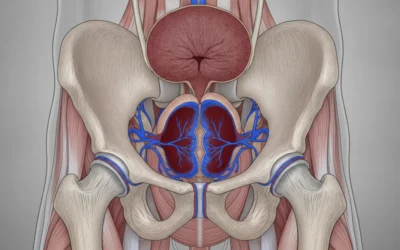
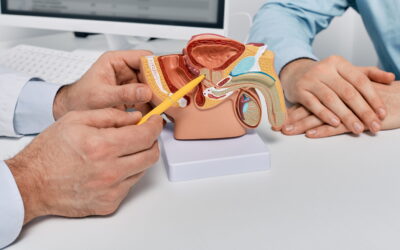
The prostate is a gland located beneath the bladder and in front of the rectum. It surrounds part of the urethra, the tube that carries urine from the bladder out of the body.
The prostate helps produce fluid that becomes part of semen. In younger men, the gland is generally about the size of a walnut. However, it commonly grows as men age.
Because the prostate surrounds the urethra, changes in its size can affect urine flow. Even though prostate enlargement is common, symptoms can vary significantly. Some men have a larger prostate with few symptoms, while others experience noticeable urinary difficulties with less enlargement.
How Does the Prostate Change With Age?
The prostate typically goes through natural changes throughout adulthood. One of the most common is the gradual growth of prostate tissue.
When this non-cancerous growth becomes significant, it is known as Benign Prostatic Hyperplasia. BPH becomes more common after age 40 and is particularly common among men over 50.
The exact reason the prostate continues to grow is not completely understood. Age-related hormonal changes are believed to play an important role. Family history, certain medical conditions, and overall metabolic health may also influence a man’s likelihood of developing BPH.
Although prostate enlargement is common, bothersome urinary symptoms should not automatically be dismissed as a normal part of aging.
What Are the Symptoms of BPH?
As the prostate enlarges, it may place pressure on the urethra or affect the way the bladder empties. These effects can lead to lower urinary tract symptoms.
Common signs of BPH include:
- Frequent urination
- A sudden or urgent need to urinate
- Waking several times at night to use the bathroom
- Difficulty starting a urine stream
- A weak or interrupted urine stream
- Dribbling at the end of urination
- Straining to empty the bladder
- Feeling that the bladder is still full after urinating
BPH symptoms often develop gradually. A man may initially notice that he is getting up once during the night, for example, before nighttime bathroom trips become more frequent.
Symptoms do not always reflect prostate size. A physician may consider both the severity of a patient’s symptoms and the effect those symptoms have on daily life when discussing treatment.
Is BPH the Same as Prostate Cancer?
No. BPH is a benign, or non-cancerous, condition. It is different from prostate cancer and does not turn into cancer.
However, BPH and prostate cancer can sometimes cause similar urinary symptoms. Other conditions, including prostatitis, urinary tract infections, bladder disorders, and certain medications, can also affect urination.
For this reason, new or worsening symptoms should be evaluated rather than self-diagnosed. A healthcare professional can help identify the cause and recommend appropriate next steps.
Prostate cancer screening is a separate conversation that should be individualized based on age, medical history, family history, risk factors, and personal preferences.
When Should You Seek a Prostate Evaluation?
Men should consider speaking with a healthcare professional when urinary symptoms become persistent, uncomfortable, or disruptive.
An evaluation may be appropriate if you are:
- Regularly waking during the night to urinate
- Planning activities around bathroom access
- Having difficulty starting urination
- Noticing a weaker stream
- Struggling to empty your bladder completely
- Experiencing worsening urgency or frequency
- Finding that symptoms interfere with sleep, work, travel, or exercise
Some symptoms require more urgent attention. Seek prompt medical care if you cannot urinate, have blood in your urine, experience severe lower abdominal discomfort, or have painful and frequent urination accompanied by fever or chills.
How Is Prostate Health Evaluated?
A prostate evaluation often begins with a conversation about symptoms, medical history, medications, and daily habits. Patients may be asked how frequently they urinate, how often they wake at night, and how strongly symptoms affect their quality of life.
Depending on the situation, evaluation may include:
- A physical examination
- Urine testing
- Blood testing
- Prostate-specific antigen testing when appropriate
- Ultrasound or other imaging
- Urinary flow testing
- Measurement of urine remaining in the bladder after urination
These tests help physicians understand prostate size, urinary function, and whether another condition may be contributing to symptoms.
Can Lifestyle Changes Support Prostate Health?
Healthy habits cannot always prevent BPH, but they may support urinary and overall health.
Helpful strategies may include maintaining a healthy weight, exercising regularly, managing diabetes and blood pressure, and avoiding tobacco. Men with urinary symptoms may also benefit from reducing fluids before bedtime and limiting substances that irritate the bladder, such as caffeine or alcohol.
Some over-the-counter cold and allergy medications can worsen urinary symptoms in certain men. Patients with BPH should discuss medications and supplements with a healthcare provider before making changes.
Lifestyle adjustments may be helpful for mild symptoms, but they do not necessarily address significant prostate enlargement or urinary obstruction.
What Treatments Are Available for BPH?
Treatment depends on the severity of symptoms, prostate anatomy, overall health, and personal goals.
Monitoring
Men with mild symptoms may begin with observation, lifestyle changes, and regular follow-up.
Medications
Urologists commonly prescribe medications that relax muscles near the prostate and bladder or gradually reduce prostate size. Medication can be effective, although some men experience side effects or find that symptom relief becomes less satisfactory over time.
Minimally Invasive Urologic Procedures
Procedures such as UroLift or Rezūm may be considered for qualifying patients. These treatments use different methods to reduce pressure on the urethra.
Surgical Treatment
TURP, laser procedures, and other surgical approaches may provide meaningful relief for patients with significant obstruction or certain prostate anatomies.
Prostate Artery Embolization
Prostate Artery Embolization is a minimally invasive, image-guided treatment performed through a small catheter. During PAE, the physician targets small arteries supplying the enlarged prostate tissue. Tiny embolic particles reduce blood flow to those areas, allowing the prostate to gradually shrink and relieve pressure on the urinary tract.
PAE does not require the surgical removal of prostate tissue. It is typically performed on an outpatient basis and may be especially appealing to men who want to explore a treatment option with a low risk of impacting sexual function.
PAE is not the right choice for every patient. Evaluation and imaging are necessary to determine whether it may be appropriate.
Make Prostate Health Part of Your Routine
Prostate health is an important part of men’s overall wellness, especially with age. Paying attention to urinary changes, discussing symptoms openly, and seeking an evaluation can help prevent years of unnecessary disruption.
At the California Men’s Health Institute, we help men understand their symptoms and explore minimally invasive treatment options for Benign Prostatic Hyperplasia. Our team works alongside urologists and other healthcare providers to support informed, coordinated care.
If frequent urination, nighttime bathroom trips, or a weak urinary stream are affecting your life, contact us today to schedule a consultation and learn more about your prostate health.