Urinary discomfort, pelvic pain, or difficulty urinating can make you wonder whether something is wrong with your prostate. While Benign Prostatic Hyperplasia (BPH) is a common cause of urinary symptoms in men, it isn’t the only prostate condition that can affect how you feel.
Another possibility is prostatitis, a term used for several conditions involving inflammation of the prostate and, in some cases, the surrounding pelvic area.
Prostatitis can affect men of different ages and may cause symptoms ranging from pelvic discomfort to painful urination. Because its symptoms can overlap with BPH, urinary tract infections, and other conditions, determining the underlying cause is important before beginning treatment.
Here’s what men should know about prostatitis, its symptoms, causes, and available treatment options.
What Is Prostatitis?
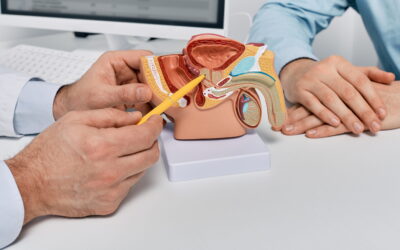
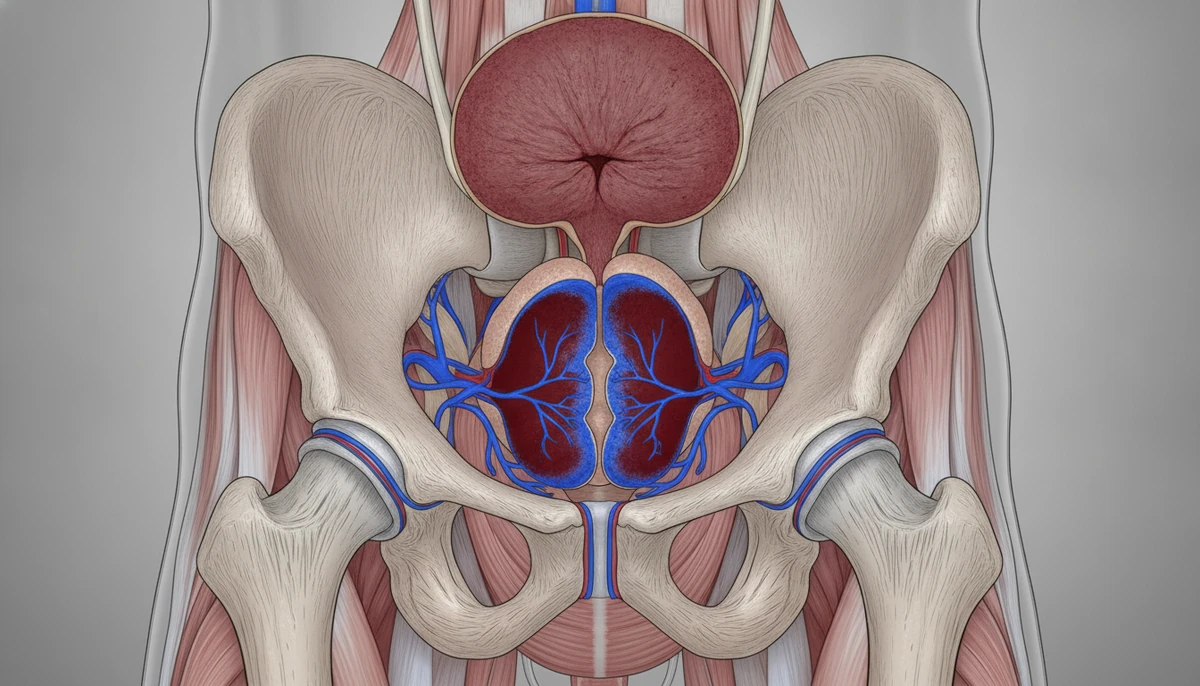
The prostate is a small gland located beneath the bladder and around part of the urethra. It produces fluid that forms part of semen.
Prostatitis refers to a group of conditions involving the prostate that can cause pain, urinary symptoms, or both. Despite the “-itis” in its name, not every form involves the same type or degree of inflammation, and not every case is caused by an infection.
Prostatitis is generally divided into several categories:
Acute Bacterial Prostatitis
This form develops when bacteria infect the prostate. Symptoms can appear suddenly and may include fever, chills, urinary difficulties, and significant pelvic discomfort.
Acute bacterial prostatitis requires prompt medical evaluation and treatment.
Chronic Bacterial Prostatitis
Chronic bacterial prostatitis involves a bacterial infection that persists or repeatedly returns. Symptoms may be less severe than with an acute infection but can continue for an extended period.
Chronic Prostatitis/Chronic Pelvic Pain Syndrome
Chronic prostatitis/chronic pelvic pain syndrome, sometimes abbreviated CP/CPPS, is the most common form of chronic prostatitis. Its exact cause is often difficult to identify, and bacteria are not necessarily involved.
Symptoms may come and go and can include pelvic discomfort, urinary difficulties, or pain associated with ejaculation.
Asymptomatic Inflammatory Prostatitis
Some men have signs of prostate inflammation without experiencing noticeable symptoms. This form may be discovered while testing for another medical concern and does not always require treatment.
What Are the Symptoms of Prostatitis?
Prostatitis symptoms vary depending on the type and underlying cause.
Possible symptoms include:
- Pain or burning during urination
- Difficulty starting urination
- Frequent urination
- Urinary urgency
- Weak or interrupted urine flow
- Pelvic or lower abdominal discomfort
- Pain in the groin or perineum
- Discomfort in or around the penis or testicles
- Pain during or after ejaculation
- Changes in sexual comfort
- Fever or chills with acute bacterial prostatitis
Symptoms can develop suddenly or gradually.
Men with sudden difficulty urinating, fever, chills, or significant pelvic pain should seek prompt medical attention because these symptoms may indicate an acute infection requiring treatment.
What Causes Prostatitis?
There isn’t one single cause of prostatitis. With bacterial prostatitis, bacteria may enter the urinary tract and reach the prostate, resulting in infection.
Chronic prostatitis/chronic pelvic pain syndrome is more complicated. Researchers believe multiple factors may contribute, potentially including inflammation, pelvic floor muscle dysfunction, nerve-related pain, previous infection, stress, or other processes.
Because there are different forms of prostatitis, identifying the type of condition is important. Treatment that is appropriate for a bacterial infection, for example, may not be useful for chronic pelvic pain without an infection.
Prostatitis vs. BPH: What’s the Difference?
Because both conditions can cause urinary difficulties, prostatitis and Benign Prostatic Hyperplasia are sometimes confused. They are different conditions.
BPH is a non-cancerous enlargement of the prostate that becomes increasingly common as men age. As the prostate grows, it can place pressure on the urethra and interfere with normal urine flow.
Prostatitis involves pain, inflammation, infection, or chronic pelvic symptoms associated with the prostate. It can affect younger men as well as older adults.
Both conditions may cause:
- Frequent urination
- Difficulty urinating
- Urinary urgency
- Weak urine flow
- Nighttime urination
Pain or burning, particularly when combined with pelvic discomfort, may be more suggestive of prostatitis, although symptoms alone cannot reliably establish a diagnosis.
A medical evaluation can help distinguish between the two.
How Is Prostatitis Diagnosed?
Evaluation typically begins with a discussion about your symptoms, when they started, and whether they are persistent or intermittent.
A healthcare provider may also ask about previous urinary infections, medications, sexual health, and other medical conditions.
Testing may include:
- Physical examination
- Urinalysis
- Urine culture
- Blood testing
- Additional laboratory testing
- Imaging when appropriate
- Tests to evaluate urinary function
The exact evaluation depends on the symptoms and suspected type of prostatitis.
Testing can also help rule out other conditions that may cause similar symptoms, including BPH, bladder problems, and urinary tract infections.
How Is Prostatitis Treated?
Treatment depends heavily on the type of prostatitis.
Antibiotics
Antibiotics are commonly used for bacterial prostatitis. The specific medication and duration of treatment depend on whether the infection is acute or chronic and the bacteria involved.
Antibiotics generally aren’t beneficial when symptoms aren’t caused by a bacterial infection.
Medications for Urinary Symptoms
Certain medications may help relax muscles around the prostate and bladder neck, potentially making urination easier for some patients.
Pain and Inflammation Management
Depending on the condition, physicians may recommend medications or other strategies to manage discomfort and inflammation.
Pelvic Floor Therapy
Pelvic floor dysfunction may contribute to chronic pelvic pain in some men. Physical therapy focused on the pelvic floor may therefore be included as part of a broader treatment plan.
Other Supportive Treatments
Chronic prostatitis/chronic pelvic pain syndrome can be complex, and treatment may involve several approaches rather than a single medication or procedure. A physician may recommend strategies based on each patient’s particular symptoms and suspected contributing factors.
Does Prostate Artery Embolization Treat Prostatitis?
Prostate Artery Embolization (PAE) is primarily used to treat urinary symptoms associated with Benign Prostatic Hyperplasia, not prostatitis. This distinction is important.
If urinary problems are being caused primarily by an enlarged prostate, PAE may be an option for appropriately selected patients. The minimally invasive procedure reduces blood flow to targeted areas of enlarged prostate tissue, allowing the prostate to gradually shrink and helping relieve pressure on the urinary tract.
If symptoms are instead caused by bacterial prostatitis or chronic pelvic pain syndrome, other treatment approaches are generally appropriate. This is one reason an accurate diagnosis should come before choosing a treatment.
Don’t Assume Every Prostate Symptom Is BPH
As men age, it’s easy to attribute frequent urination or difficulty emptying the bladder to an enlarged prostate. BPH is certainly common, but prostatitis and several other conditions can produce overlapping symptoms.
Similarly, younger men experiencing pelvic or urinary problems shouldn’t assume they are developing age-related prostate enlargement. If something has changed, an evaluation can provide answers.
Understanding whether symptoms are caused by prostatitis, BPH, or another condition allows you and your healthcare providers to discuss treatment options based on the actual source of the problem.
Get Answers About Your Prostate Health
Prostate symptoms can be uncomfortable to discuss, but they are common medical concerns and deserve appropriate evaluation. Depending on the cause, treatment may range from medication and supportive care to procedures designed to address prostate enlargement.
At the California Men’s Health Institute, our focus includes helping men with Benign Prostatic Hyperplasia explore their treatment options. For appropriately selected patients with enlarged prostate symptoms, we offer Prostate Artery Embolization, a minimally invasive, image-guided alternative to traditional prostate surgery.
If you’re experiencing persistent urinary symptoms and aren’t sure whether an enlarged prostate may be responsible, contact California Men’s Health Institute to schedule a consultation and learn more about your options.