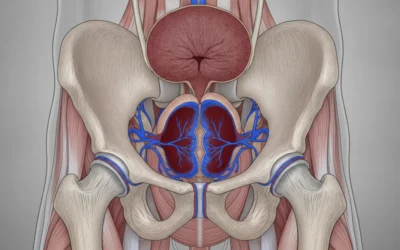
As men get older, it’s normal for the body to change, and the prostate is no exception. Many men notice urinary symptoms in their 50s, 60s, or beyond and wonder whether these changes are simply part of aging or a sign of something more serious.
One of the most common reasons for these symptoms is Benign Prostatic Hyperplasia (BPH), also known as an enlarged prostate. While BPH is not life-threatening, it can have a significant impact on comfort, sleep, and quality of life if symptoms become more severe.
Understanding how the prostate changes with age can help you recognize when it’s time to seek evaluation and learn about the treatment options available today.
What Does the Prostate Do?
The prostate is a small gland located just below the bladder and in front of the rectum. It surrounds the urethra, the tube that carries urine out of the body.
Its primary function is to produce fluid that helps nourish and transport sperm during ejaculation. In younger men, the prostate is typically about the size of a walnut and causes few, if any, urinary issues.
However, the prostate often continues to grow throughout adulthood.
Are Prostate Changes a Normal Part of Aging?
Yes. It is very common for the prostate to gradually enlarge with age.
This enlargement is known as Benign Prostatic Hyperplasia. The word “benign” means the condition is not cancerous, while “hyperplasia” refers to an increase in the number of cells within the prostate.
Many men begin experiencing prostate enlargement after age 50, and the likelihood increases with each decade of life. In fact, BPH is one of the most common health conditions affecting older men.
Although prostate growth itself is considered a normal age-related change, the symptoms it causes are not something you simply have to live with.
Why Does an Enlarged Prostate Cause Urinary Problems?
Because the prostate surrounds the urethra, even gradual enlargement can begin to narrow the passage where urine flows.
As this happens, the bladder must work harder to push urine through the restricted opening. Over time, this can lead to a variety of lower urinary tract symptoms, including:
- Frequent urination
- Waking several times during the night to urinate (nocturia)
- Difficulty starting urination
- A weak urine stream
- Dribbling after urination
- Feeling that the bladder has not emptied completely
- A sudden urge to urinate
Symptoms often develop slowly, making them easy to dismiss as “just getting older.” However, they can gradually become more disruptive over time.
Is BPH the Same as Prostate Cancer?
No. Benign Prostatic Hyperplasia and prostate cancer are two separate conditions.
BPH is a non-cancerous enlargement of the prostate and does not become prostate cancer. Likewise, having BPH does not necessarily increase your risk of developing prostate cancer.
However, both conditions can produce similar urinary symptoms. That’s why it’s important to have new or worsening symptoms evaluated by a healthcare professional rather than assuming they are simply due to aging.
Routine screenings and medical evaluations help determine the underlying cause of prostate-related symptoms.
When Should You See a Doctor?
Many men wait years before discussing urinary symptoms because they assume they are an unavoidable part of aging.
You should consider scheduling an evaluation if you experience:
- Frequent trips to the bathroom during the day
- Regular nighttime urination
- Difficulty starting or stopping urination
- A weak or interrupted urine stream
- Difficulty emptying your bladder
- Urinary symptoms that interfere with daily activities or sleep
Early evaluation can help identify the cause of your symptoms and may provide access to treatment before the condition becomes more disruptive.
How Is Benign Prostatic Hyperplasia Diagnosed?
Diagnosing BPH usually begins with a conversation about your symptoms and medical history.
Depending on your individual situation, your physician may recommend:
- A physical examination
- Blood testing
- Urine testing
- Imaging studies
- Ultrasound evaluation
- Urinary flow testing
- Additional diagnostic procedures when appropriate
These tests help determine whether your symptoms are related to BPH or another condition affecting the urinary tract.
Treatment Options for an Enlarged Prostate
Not every man with BPH requires immediate treatment. Mild symptoms may be managed through observation or lifestyle modifications.
As symptoms become more noticeable, treatment options may include:
Medications
Prescription medications can help relax prostate muscles or gradually reduce prostate size for some patients.
Minimally Invasive Procedures
Several minimally invasive treatments are now available for men seeking alternatives to traditional surgery.
One option is Prostate Artery Embolization (PAE), an image-guided procedure that reduces blood flow to the areas of the prostate responsible for enlargement. Over time, the prostate gradually decreases in size, helping relieve pressure on the urinary tract.
Many men are interested in PAE because it is performed without traditional surgery and generally carries a lower risk of sexual side effects than some surgical procedures.
Surgical Treatments
In some situations, a urologist may recommend procedures such as TURP, laser therapy, or other surgical approaches based on prostate size, symptom severity, and overall health.
The most appropriate treatment varies from person to person, making an individualized evaluation important.
You Don’t Have to Accept Urinary Symptoms as “Normal”
Although prostate enlargement becomes increasingly common with age, persistent urinary symptoms should not simply be accepted as an inevitable part of getting older.
Many men experience significant improvements in their quality of life after receiving an accurate diagnosis and appropriate treatment. Advances in minimally invasive care have also expanded the range of options available for managing BPH.
If you’re waking up several times each night to use the bathroom or planning your day around restroom access, it may be time to speak with a healthcare professional.
Learn More About BPH Treatment
At the California Men’s Health Institute, we help men better understand age-related prostate changes and explore treatment options for Benign Prostatic Hyperplasia. Our team specializes in minimally invasive, image-guided procedures, including Prostate Artery Embolization, for appropriately selected patients seeking an alternative to traditional surgery.
If enlarged prostate symptoms are affecting your comfort or quality of life, contact us today to schedule a consultation and learn more about your options.